
What Shichi-Go-San Celebrates When Your Child Turns Three, Five, or Seven
Carson and Little Tokyo are running Shichi-Go-San blessings today. The ages are three, five, and seven; what sticks for kids is the long candy and the story grandparents still have.
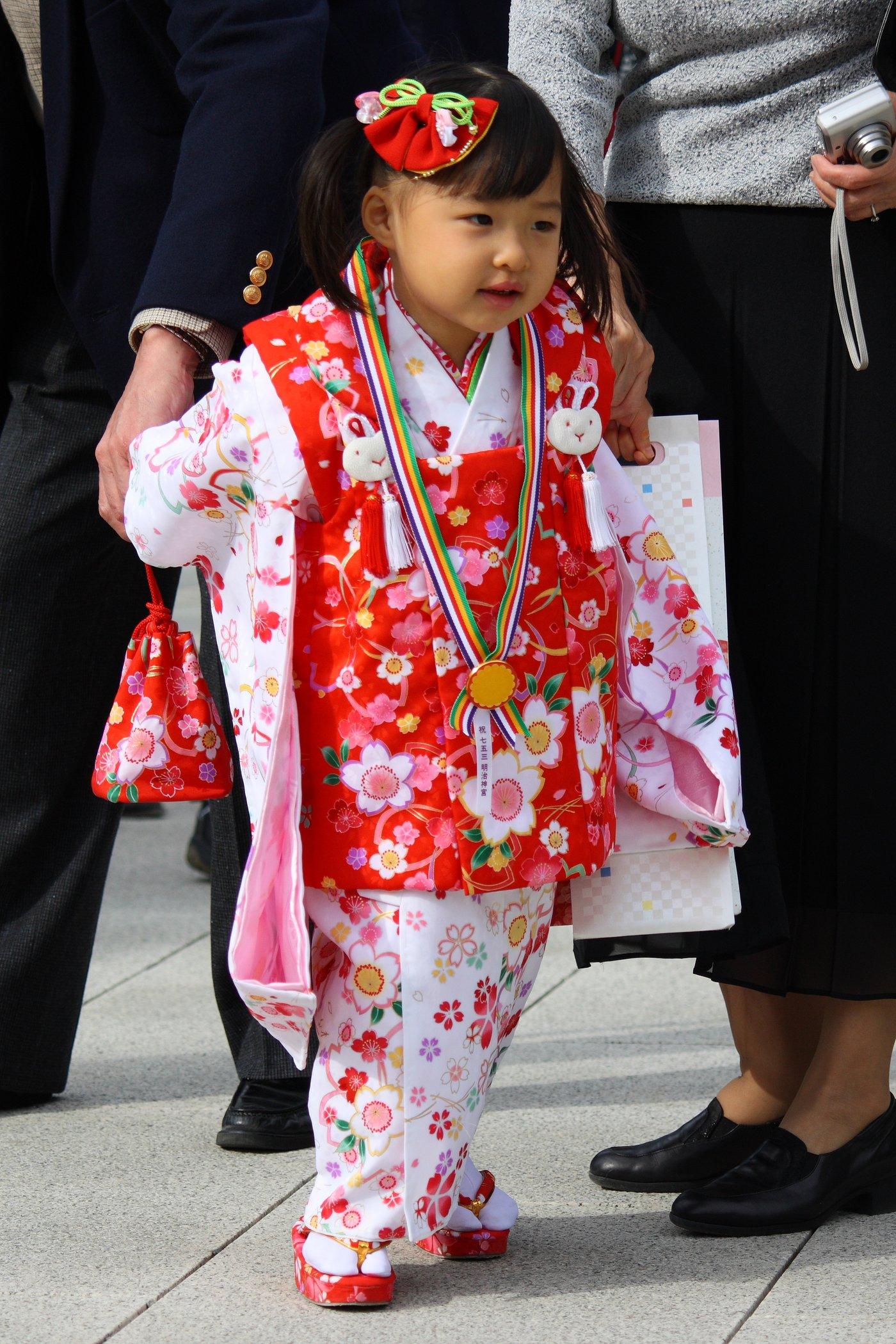
The long candy bag is almost as tall as the child holding it.
Shichi-Go-San (七五三) means seven-five-three. Girls traditionally mark ages three and seven; boys mark three and five. Families give thanks for a child's growth and ask for health ahead. Mid-November is the usual season, and today Southern California has live ceremonies again.
If you are headed to Carson or Little Tokyo, watch what the kid actually notices. On the drive home, ask the elders how they marked the same ages.
Odd numbers were the lucky ones. What kids keep is simpler: an amulet, a long candy, and a photo of clothes that will not stay neat.
What the child sees and does
First comes the outfit. Many families rent a kimono, hakama, or hifu jacket. Others wear church clothes. The child notices the fuss either way: hair, sash, stiff shoes.
Then the visit. At a Shinto shrine, they walk into a quiet room for a gokitō, a short prayer of thanks and hope. At LA Koyasan, a Buddhist temple, the group service includes prayer and a fire ritual. Adults sit still. The child stands, fidgets, and listens for their name.
After the blessing, they get an omamori (a protective amulet) and chitose ame, the long "thousand-year" candy. That bag is the part they will remember. Photos usually come next, because the clothes will not stay this neat for long.
You can give them one line to repeat: "We came to say thank you that you are growing, and to ask for another healthy year."
Why three, five, and seven
Odd numbers were long treated as lucky in Japan. Shichi-Go-San gathered those ages into one mid-November rite that moved from court families to samurai households and, by the Edo period, to ordinary people.
Girls traditionally appear at three and seven. Boys traditionally appear at three and five. Carson and Little Tokyo organizers often welcome children of other ages too, so ask if your kid falls between the classic years.
Hit the classic ages if you can. If the calendar is messy, a thank-you said with elders still counts.
Two questions for grandparents
Ask before the photo line, or on the drive home while the candy bag is still on the seat.
1. "When you were three, five, or seven, did your family do Shichi-Go-San? Where did you go, and what did you wear?"
2. "What do you remember holding afterward, the candy, an amulet, or something else? Who took you, and what did they tell you the day was for?"
If they never marked it, ask what milestone they did have: a first shrine visit, a birthday banquet, or a school photo in a new uniform. Write one sentence of their answer in your phone. The child can hear it later when the kimono is back on the hanger.
If you are going today
Carson families with a reservation head to Shusse Inari between 9 and 3. Little Tokyo families who already registered for Koyasan aim for 1:30 p.m.
Feed the kid, pack water, and assign one adult to the child while the other handles forms and photos.
Missed the group deadline? Ask about a private November blessing or a Zoom gokitō. You can still call Grandma tonight without a booking code.