
The First Thanksgiving After Separation: Helping Kids Move Between Two Homes
The first Thanksgiving across two households usually turns on the handoff, a second dinner, and a schedule kids can repeat. Write the plan, keep a few familiar routines, and leave the loyalty vote off the kids' plate.
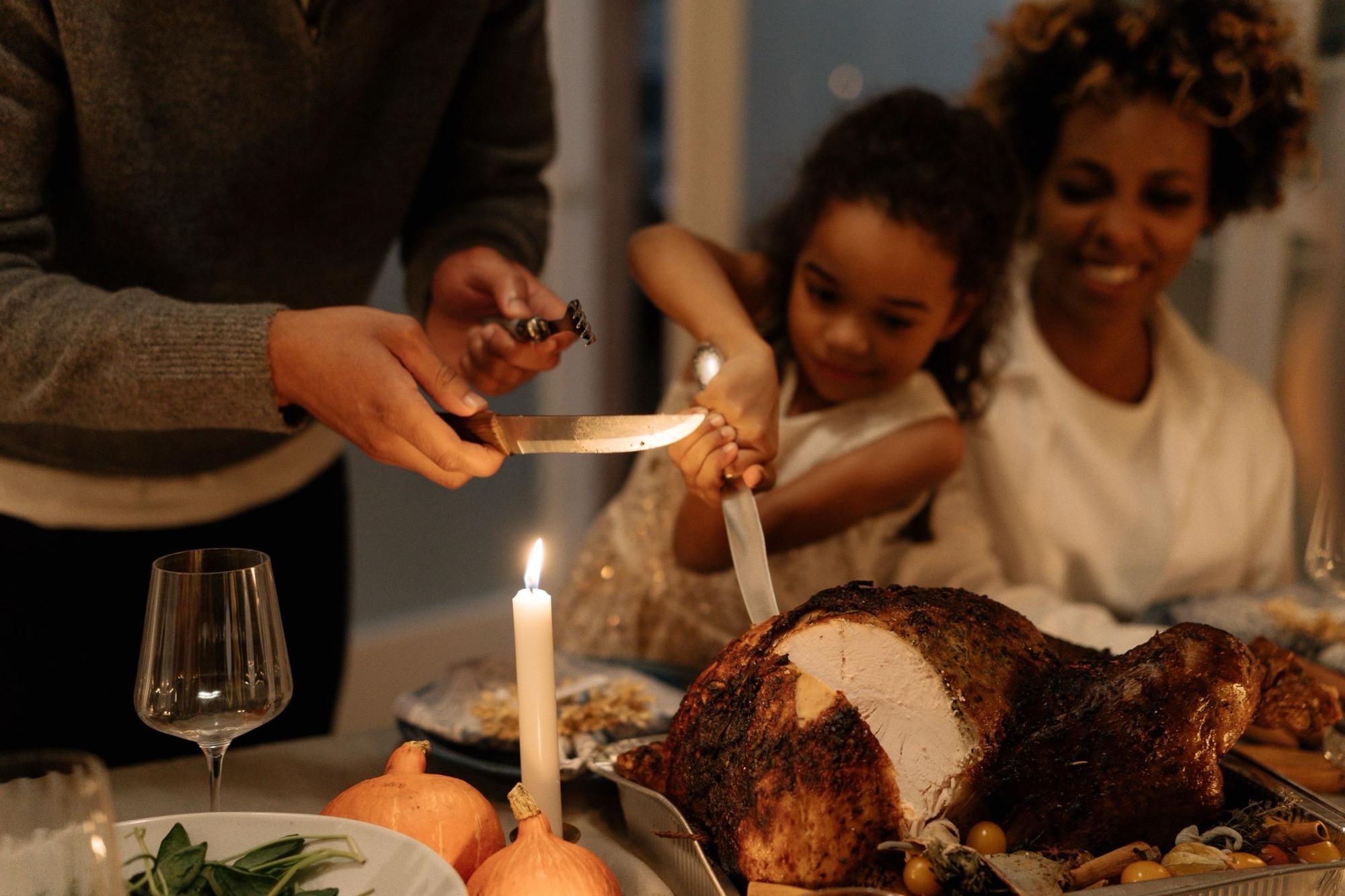
Last year there was one table. This year there is a car seat, a shared calendar, and a question your child keeps asking in the grocery aisle: Where do I wake up on Thursday?
The stuffing still matters. So does the handoff, the second dinner, and whether the adults can hold a plan without making the kids referee.
Skip the hunt for a perfect new tradition this first year. Write a map both homes can say out loud: where they sleep, who picks them up, what travels in the bag, and when they see you again.
Kids remember the driveway mood longer than the pie. A boring, written plan keeps adult conflict and relative loyalty tests off their plate.
Make the handoff boring on purpose
Agree the time and place in writing. Thursday at 10 a.m. at the usual spot beats "after breakfast" or "whenever dinner ends."
Keep the exchange short. Save schedule fights for a text after the child is inside. Relatives do not need a front-row seat.
If someone will be late, say so once, with the new ETA. A pre-agreed grace window beats a phone war in the parking lot.
Pack the night before. Meds, charger, the one stuffed animal that cannot be replaced by a speech about flexibility. First-year holidays are a bad time to discover the inhaler stayed at the other house.
If travel is in the mix, build a buffer for traffic and delayed flights. The child should not have to narrate whose fault the delay is.
Two celebrations can still count
Many families eat Thursday in one home and Friday or Saturday in the other. When both sides want the holiday, that split is a workable map.
Plan the meal around the hours you actually have. If the kids arrive at three, skip the feast that needs everyone seated at one.
Ask your child which one or two familiar pieces matter most: the same mashed potatoes, a walk after dinner, a particular dessert, a call with a grandparent. Keep those if you can, even at a different hour.
You do not have to recreate last year's entire ritual in both kitchens. One familiar thread in each home is usually enough for a first year.
If a relative asks which dinner was "the real Thanksgiving," answer for the child: both counted. We are not ranking houses.
Explain the plan. Skip the loyalty vote.
Tell the kids early enough that they can ask questions, and late enough that a young child is not counting impossible weeks. Use the same wording in both homes when you can.
Try: "This Thanksgiving looks different from last year. You will sleep at Mom's Wednesday and Thursday. Dad picks you up Friday morning at the usual place."
Add: "You do not have to choose. The adults already decided."
Show a simple calendar: color for sleep-at-Mom, color for sleep-at-Dad, and the return. Older kids may want the pickup time in a message they can check.
Leave house-picking, message-carrying, and mood reports off their job list. If they are sad, say that makes sense. Missing one table does not mean they love anyone less.
When a plan changes late, give the new facts without a speech about who messed up. "Pickup moved to one. You still sleep here tonight." Handle the adult disagreement away from them.
If diaspora relatives press for a side, protect the child first. "We are not asking them to score the holiday. Ask us."
A first-year bar you can clear
Clear the bar if your child knows the map, the driveway stays calm, and both tables are allowed to feel like Thanksgiving.
If the week still wobbles, write what you would change for next year while the details are fresh. Alternating years, splitting the long weekend, or keeping Thursday whole and moving the second meal may fit better once you have lived one round.
Your court order or parenting agreement comes first. This guide covers the soft parts around it: bags, scripts, and keeping kids out of the referee chair.
When the pie is cut and someone asks how it felt, you can say the true small thing. We got them there and back. They knew where they would sleep.