
What It Feels Like to Say "I Love You" More Than You Heard It Growing Up
A national survey of more than 2,200 U.S. parents of young children found 61% say they tell their kids I love you more than their own parents did. For a lot of diaspora households, the harder part is learning the words without discarding the cut fruit.
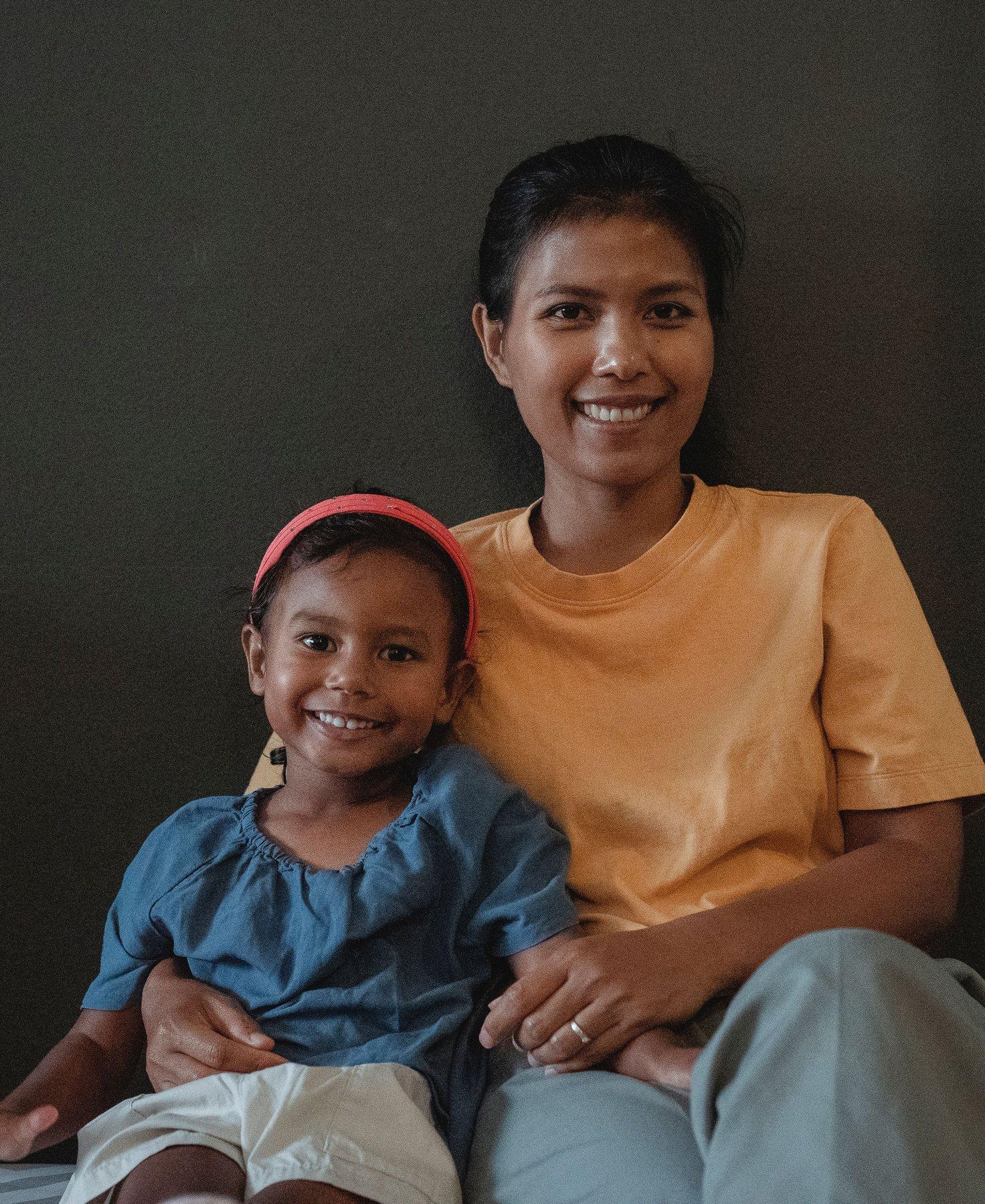
You say it at the door. You say it over the car seat buckle. Sometimes your mouth still feels like it borrowed the sentence.
ZERO TO THREE's First Voice survey, released October 29, put a national number on that shift. Among 2,202 U.S. parents of children ages 1 to 5, 61% said they tell their kids "I love you" more often than their own parents did.
Fifty-seven percent said they show more physical affection too.
Plenty of those parents loved hard without saying the English line. The number is about those of us trying a different bedtime script.
If the words feel new in your mouth, you can keep the care you grew up with and still add a sentence your kids can hear.
The awkward middle of a new sentence
Some nights the phrase lands clean. Other nights it sticks halfway out, like a line you never practiced at home.
Plenty of adults who grew up with steady care still never heard the English sentence out loud. The love showed up in other ways.
Rebecca Parlakian, senior director of programs at ZERO TO THREE, talks about parents who want to lead with affection and still feel worn thin. First Voice backs that mix: more people saying "I love you," and many of them managing their own stress while they try to stay patient.
You can want the words for your child and still flinch when you say them.
How love already showed up without the phrase
In a lot of Asian and multicultural houses, affection arrived as logistics. Cut fruit after school. A packed container for the road.
"Have you eaten yet?" called from the kitchen before anyone asked how the day went.
Charissa Cheah, a developmental psychologist who has interviewed Chinese immigrant mothers in the U.S., has described that pattern in qualitative work: warmth through daily care, guidance, and meeting needs, less often through hugs and the direct English sentence.
A grandparent who peels an orange in silence is offering care. So is the parent who saves the softest rice for you.
Kids can still wonder whether they are loved if nobody ever says it. Adults can also overlook the plate already waiting. A lot of us grew up with some of both.
Words you can add without erasing the old ones
Keep the fruit. Add a sentence.
Try lines short enough for a loud Tuesday: "I love you." "I'm glad you're here." "I'm proud of how you tried." "Come sit with me."
If English feels too sharp in front of elders, use the language that comes easier, or say it once in private and keep the practical care public. Some bilingual parents find the English line easier than a heavier heritage equivalent. Repeat whatever you will still say when you are tired.
Tell your kids what the older gestures mean. "Gong Gong shows love by driving across town with soup."
If your own parent never said the sentence, you can still name what counted. "I felt loved when you waited up. I'm adding the words for my kids."
A small practice for this week
Pick one doorway moment: pickup, lights out, or the goodbye before work.
Say the three words once a day for seven days, even if your voice sounds borrowed. Keep one practical gesture from the house you knew: the fruit, the text that asks about dinner, the sweater left on the chair.
If it still feels strange by Friday, keep going anyway. The first week of a new household phrase usually does.
The same survey also asks who still runs the ordinary day while the affection rises. That is the companion brief. Tonight, try one sentence the childhood kitchen rarely said.