
Sibling Fighting Isn't One Thing. A New Study Identifies Five Relationship Patterns
German Family Panel researchers sorted 657 kids into harmonious, hostile, rival, emotionally intense, and uninvolved sibling patterns. Affection and conflict can sit in the same relationship, and rivalry is its own risk lane. The study is observational.
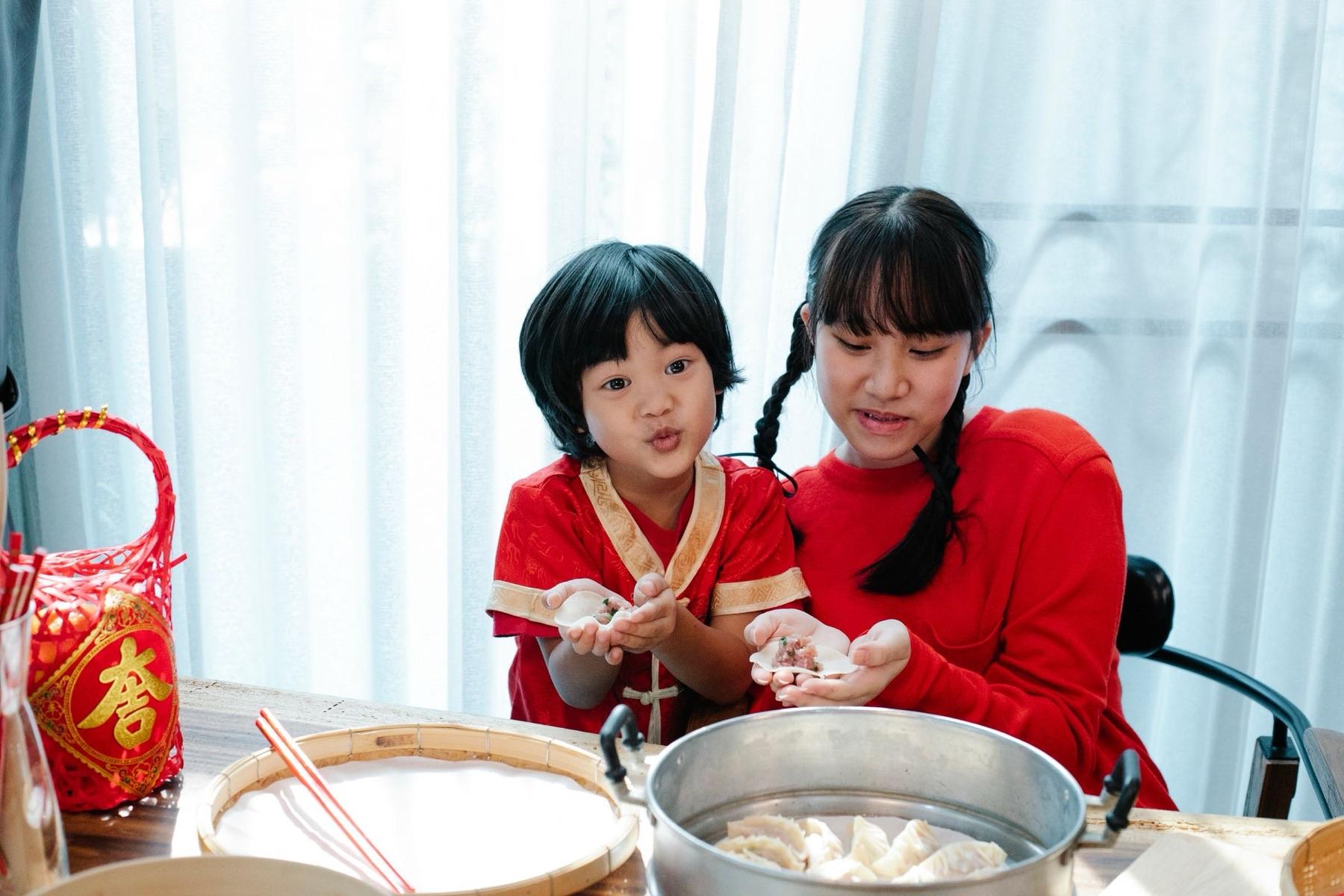
The bedroom door slams. Ten minutes later they are sharing chips on the couch like nothing happened.
Parents often treat that whiplash as one problem labeled "sibling fighting." A new Journal of Marriage and Family paper says the label is too blunt.
Elena Wittmann and Ilka Wolter, at Germany's Leibniz Institute for Educational Trajectories, used Wave 10 of the German Family Panel (pairfam) to sort how 657 children and adolescents described life with a brother or sister. Average age was about 11.
They looked at four things at once: affection, hostility, rivalry, and how conflicts get repaired. From those scores, five relationship patterns showed up.
Harmonious, hostile, rival, emotionally intense (what the paper calls affect-intense), and uninvolved. Fighting is in more than one of them. The pattern around the fighting is what differs.
When kids fight, parents often reach for one fix. This study says the same volume of noise can sit inside very different relationships, and rivalry deserves its own attention alongside plain hostility.
The five patterns, in plain terms
About 22 percent landed in the harmonious group: higher affection and conflict repair, the lowest hostility and rivalry.
About 13 percent looked hostile: elevated hostility and rivalry, thinner affection, weaker repair.
Another 13 percent formed a rival profile the authors say prior warmth-and-hostility models often missed. Rivalry scores were especially high. Affection and conflict repair sat a bit higher than in the hostile group, but the competitive edge still defined the pattern.
About 22 percent were emotionally intense: above-average scores across the board. Warmth and friction both ran high.
The largest share, about 29 percent, looked uninvolved: generally lower engagement on affection, rivalry, and repair, without the spike pattern of the hostile or rival groups.
Same household, same word "siblings." Five different shapes.
Why affection and conflict can share a room
The emotionally intense pattern is the one that confuses adults at the dinner table.
These kids report real closeness and real hostility. Frequent contact is part of the package. So is arguing.
In the study, that mix lined up with middling adjustment: better than the hostile and rival groups on several measures, but not matching the harmonious kids on self-esteem, prosocial behavior, or conduct problems.
Warmth did not cancel the strain, and hostility did not erase the bond. The paper's read is that negative processes can blunt the benefits of positive ones without wiping them out.
If your house runs hot and soft in the same afternoon, that can be a high-contact pattern that needs repair skills more than a forced ceasefire.
Rivalry is its own lane
Hostile and rival kids both looked worse off than harmonious kids: lower self-esteem, more conduct problems, thinner prosocial scores.
The rival group still deserves a separate name. Rivalry here tracks comparison and competition, often tied to feeling unequally treated, more than sheer anger in the moment.
In Germany, the authors note, early school tracking and a strong achievement culture can pour fuel on sibling comparisons. Diaspora households know a cousin version of that fuel: grades, piano, who got praised first at Lunar New Year.
If the fight is really about who is "ahead," coaching apology scripts alone will miss the nerve. You also have to watch differential praise, report-card scorekeeping, and the adult habit of ranking kids out loud.
Uninvolved siblings sat in the middle on adjustment too. Quieter houses can mean fewer fights and fewer chances to practice repair.
What parents can use without overclaiming
This is a snapshot of German kids' self-reports from 2017 and 2018. It does not prove that one pattern causes later outcomes. Sibling mood and a child's self-esteem likely push on each other.
Still, the kitchen-table question is which pattern you are hearing before you pick a consequence.
Are they loud because they are close and still learning repair? Are they mostly cold and avoidant? Is the heat mostly comparison: who Mom loves more, who scored higher, who gets the bigger share of adult attention?
Conflict resolution separated healthier patterns in this analysis. Teaching kids how to make up may matter as much as counting how often they fight.
If grandparents favor one grandchild, or relatives turn cousins into a leaderboard, call that rivalry fuel. "Kids being kids" hides the comparison.
Tonight's argument still needs a clearer noun than "fighting" for what is actually happening between them.